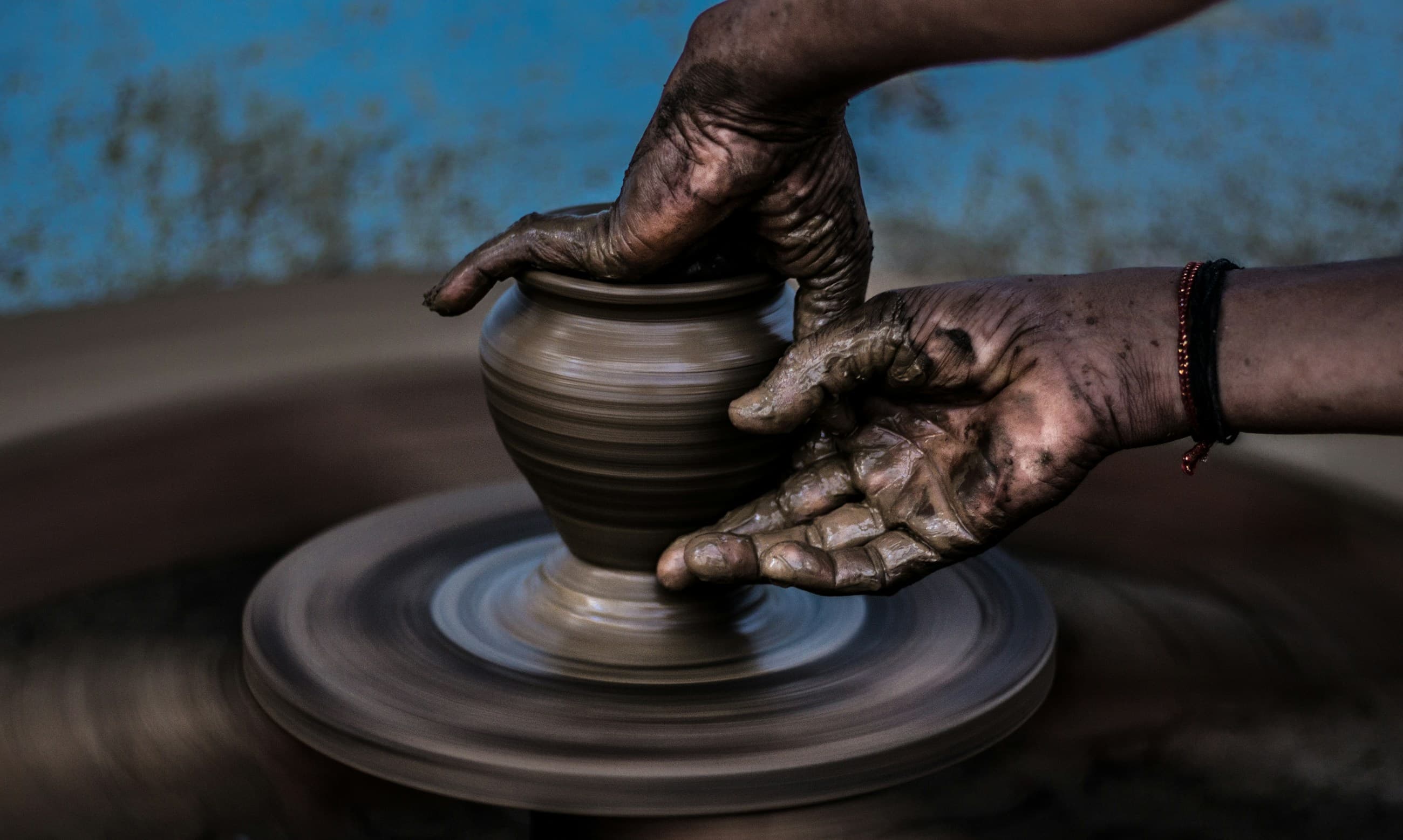
Handmade in India
An artist at work
Handmade in India

The hand,unhurried.

Objects made slowly, by people we know by name. Signed, traceable, and meant to outlive their first owner.

Every piece one of a kind
7 artistsNever a series
I.
Currently available

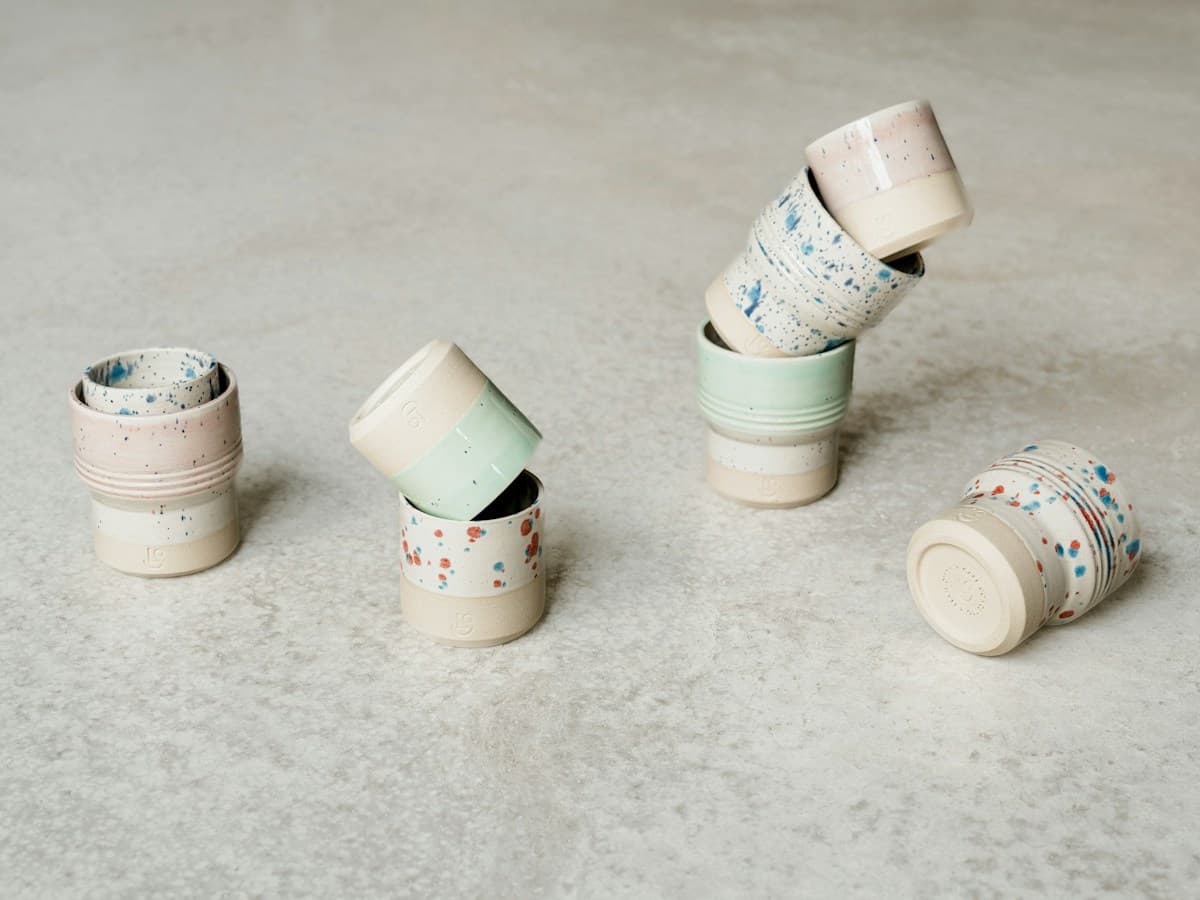
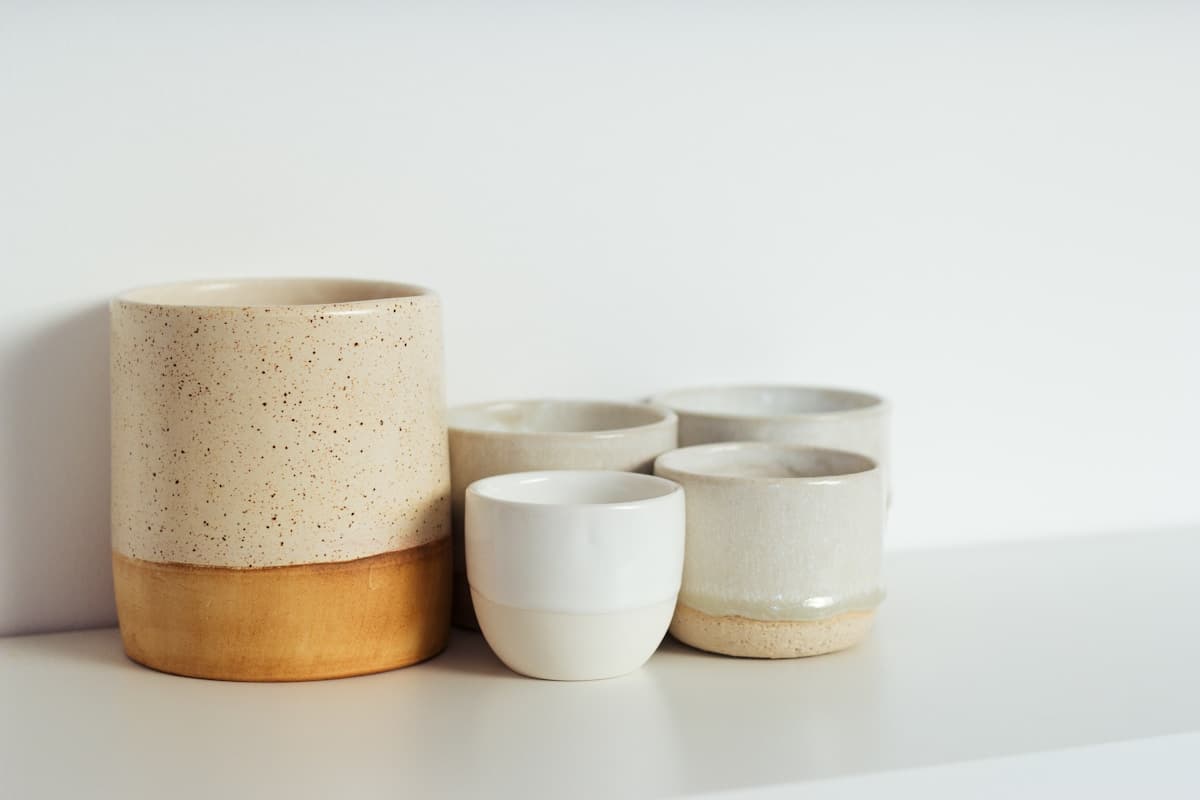
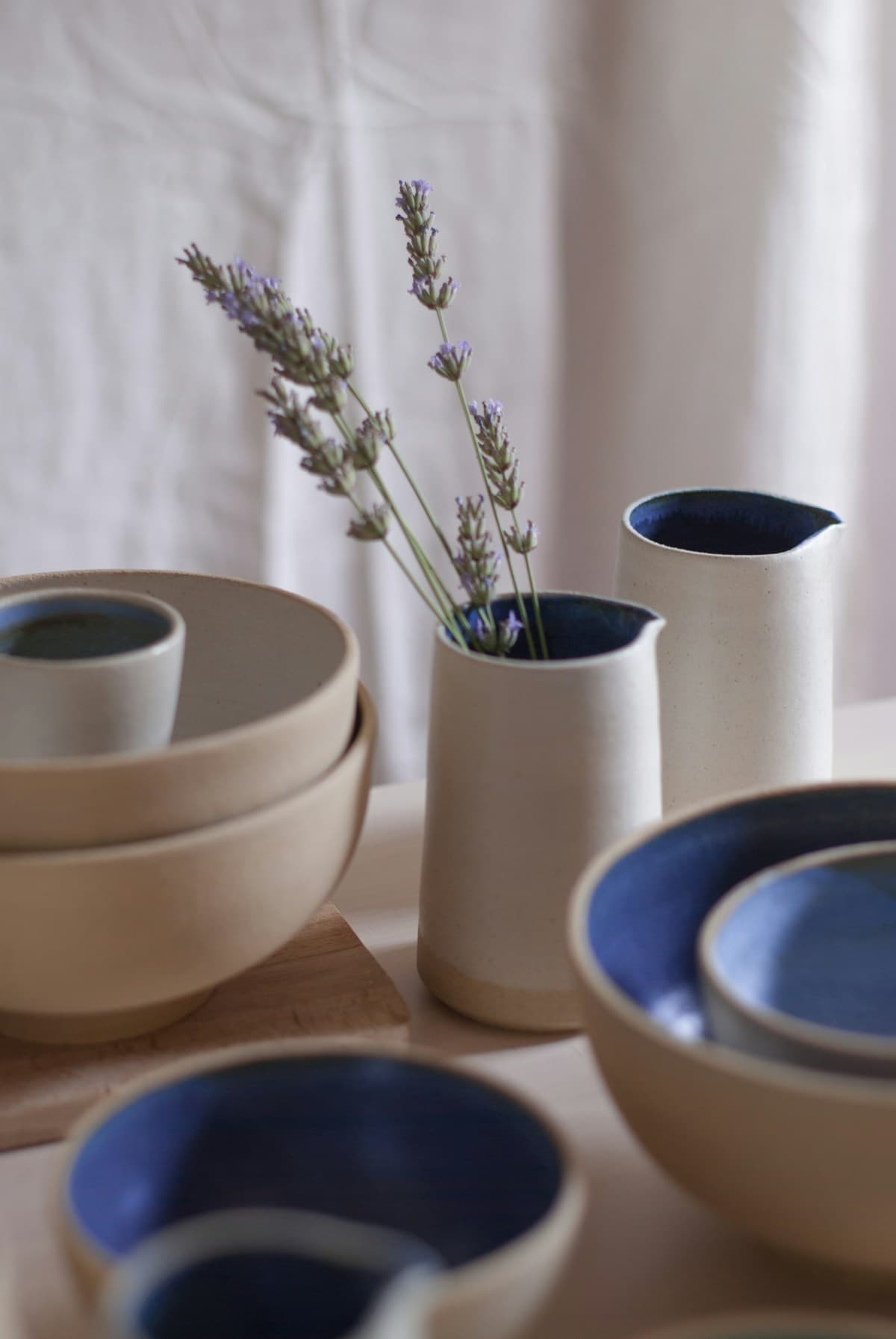
Pieces in the room
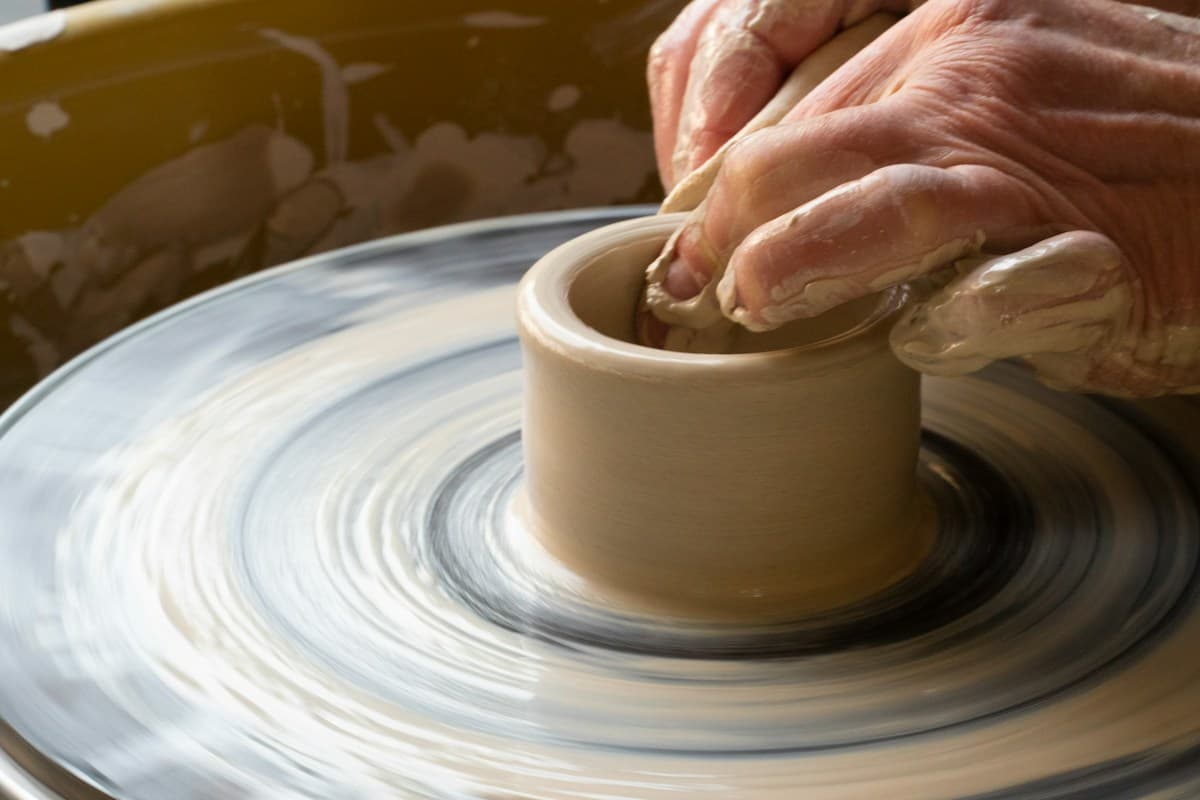
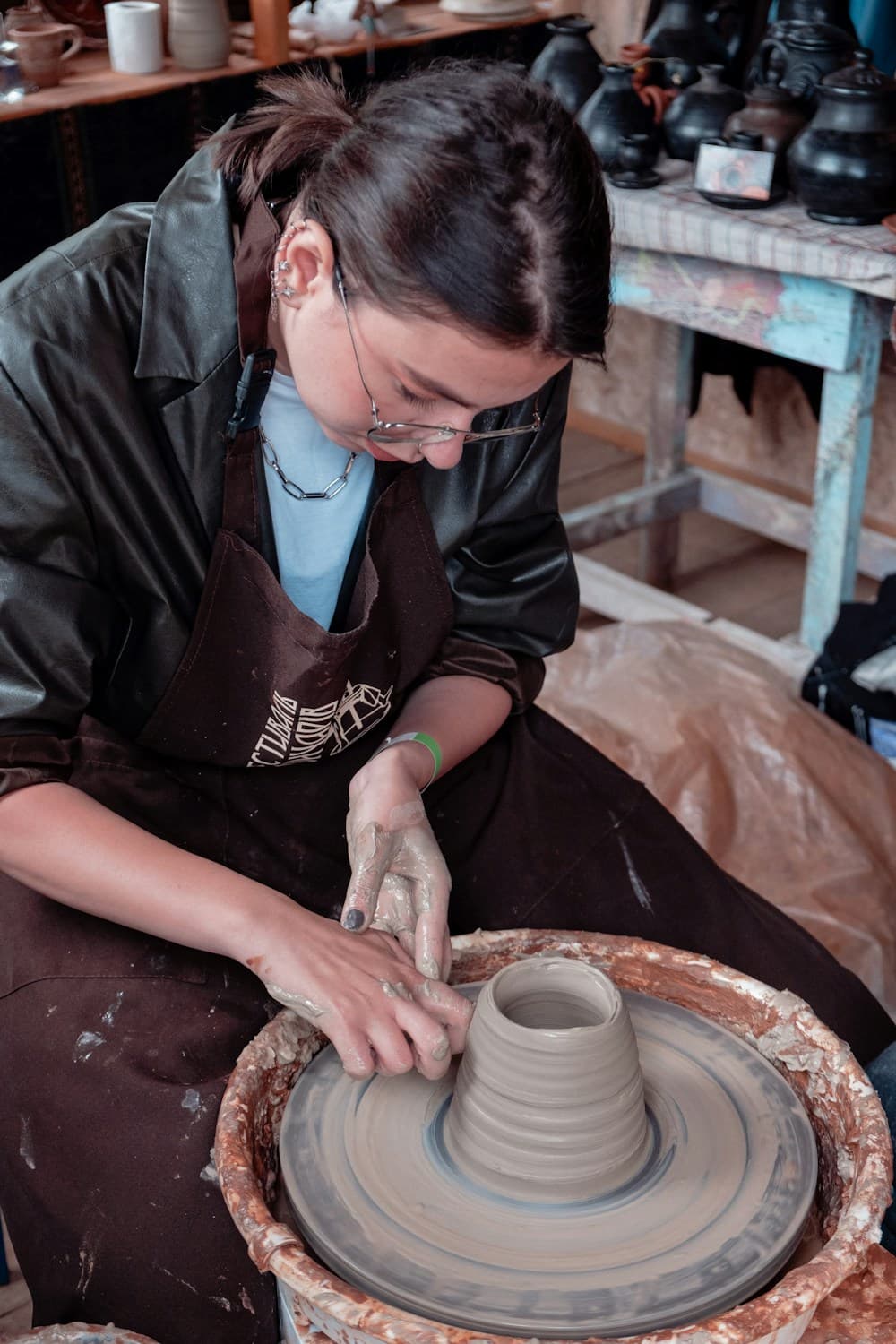
Hands at the wheel
Interlude

Nothing here was made in a hurry, and nothing here was made twice.

II.
Artist in residence

Bhuri Bai
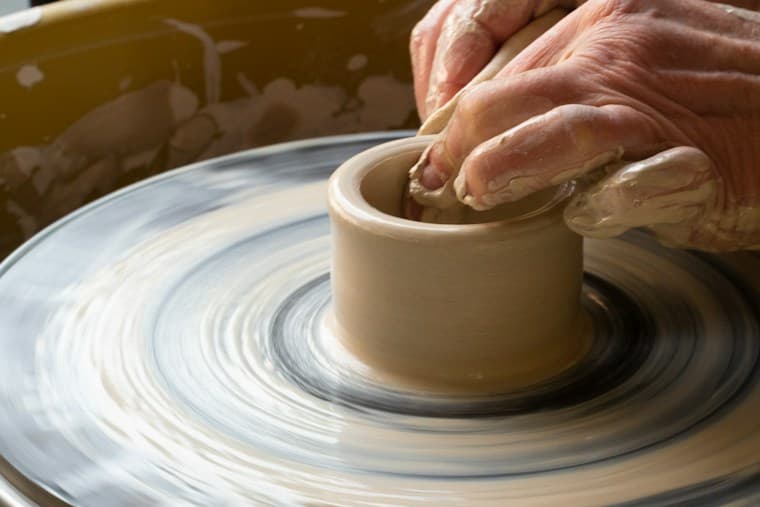
Bhuri Bai at work
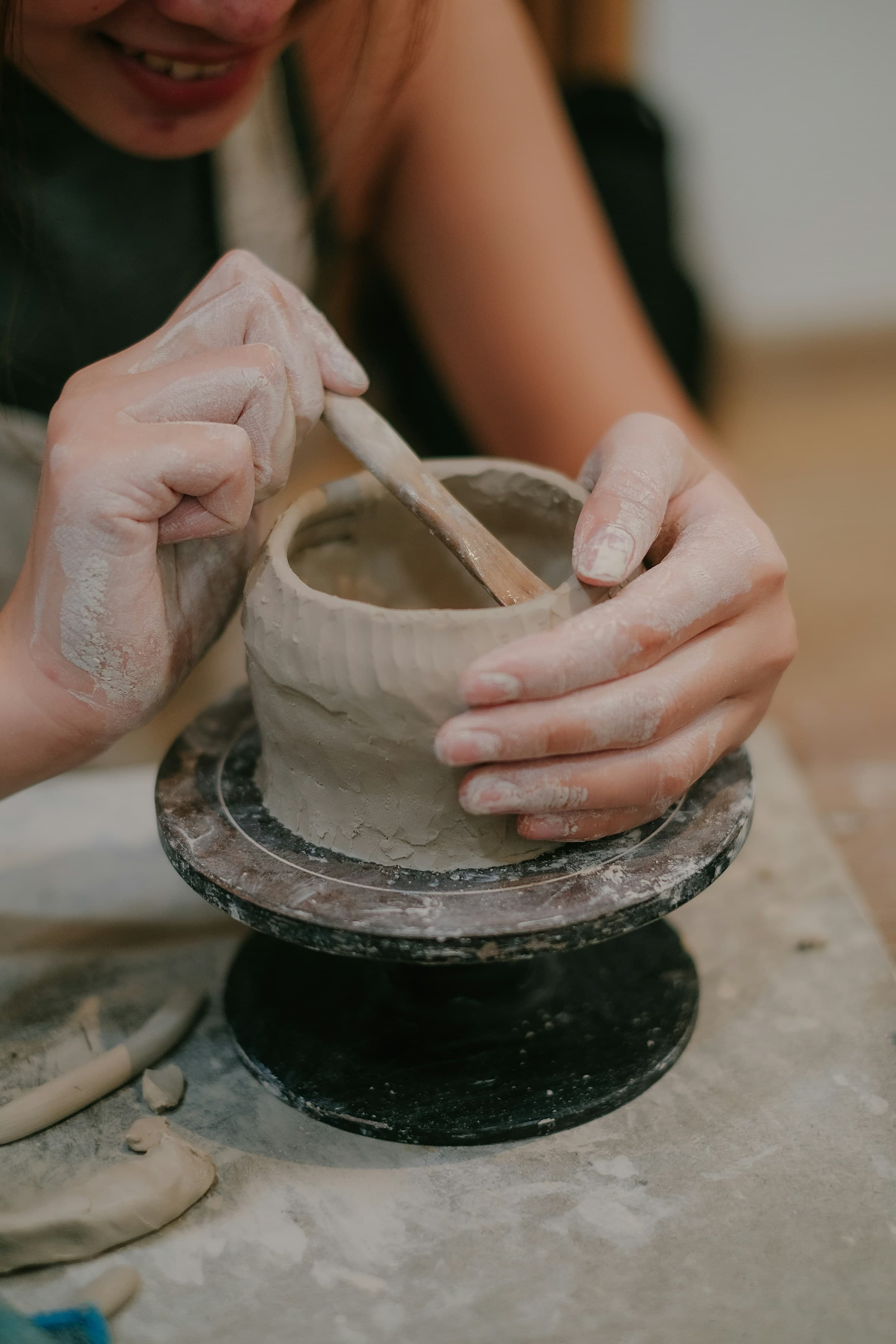
Hands shaping the work
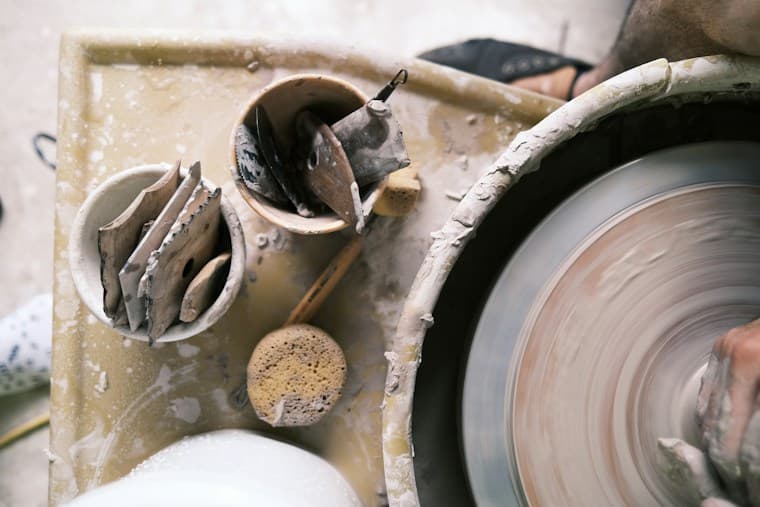
Tools of the craft
Pithora & Bhil Art · Jhabua, Madhya Pradesh
Bhil painting is built from dots — thousands of them, laid in rows that follow the form rather than fill it. Bhuri Bai was the first Bhil woman to paint on paper rather than a wall, and was told at the time that it would not count. Her horses carry the dead across water; her dots are said to be the ancestors watching.
Also showing
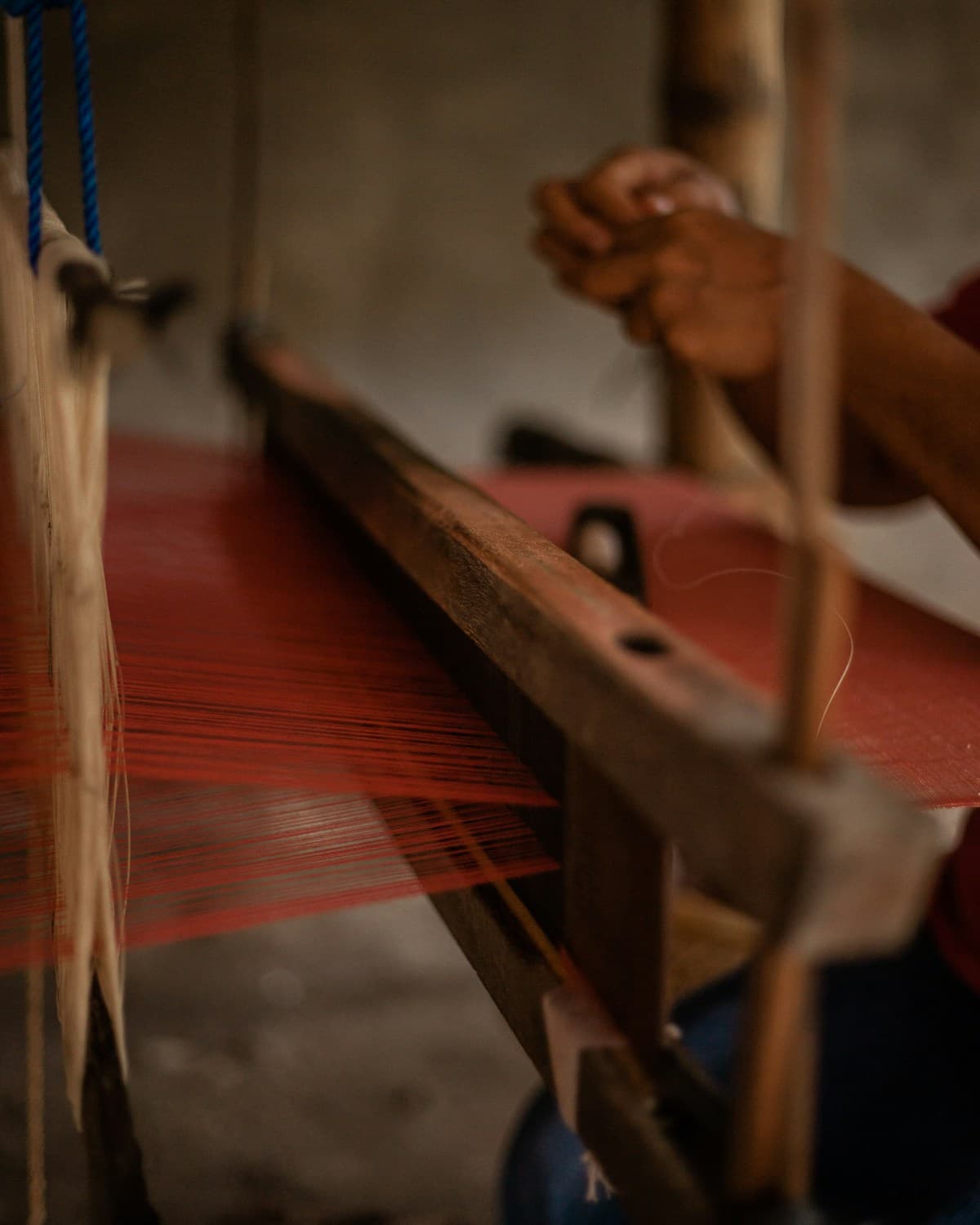
Ghulam Nabi Dar
Ghulam Nabi Dar
Pashmina Weaving · Srinagar, Kashmir
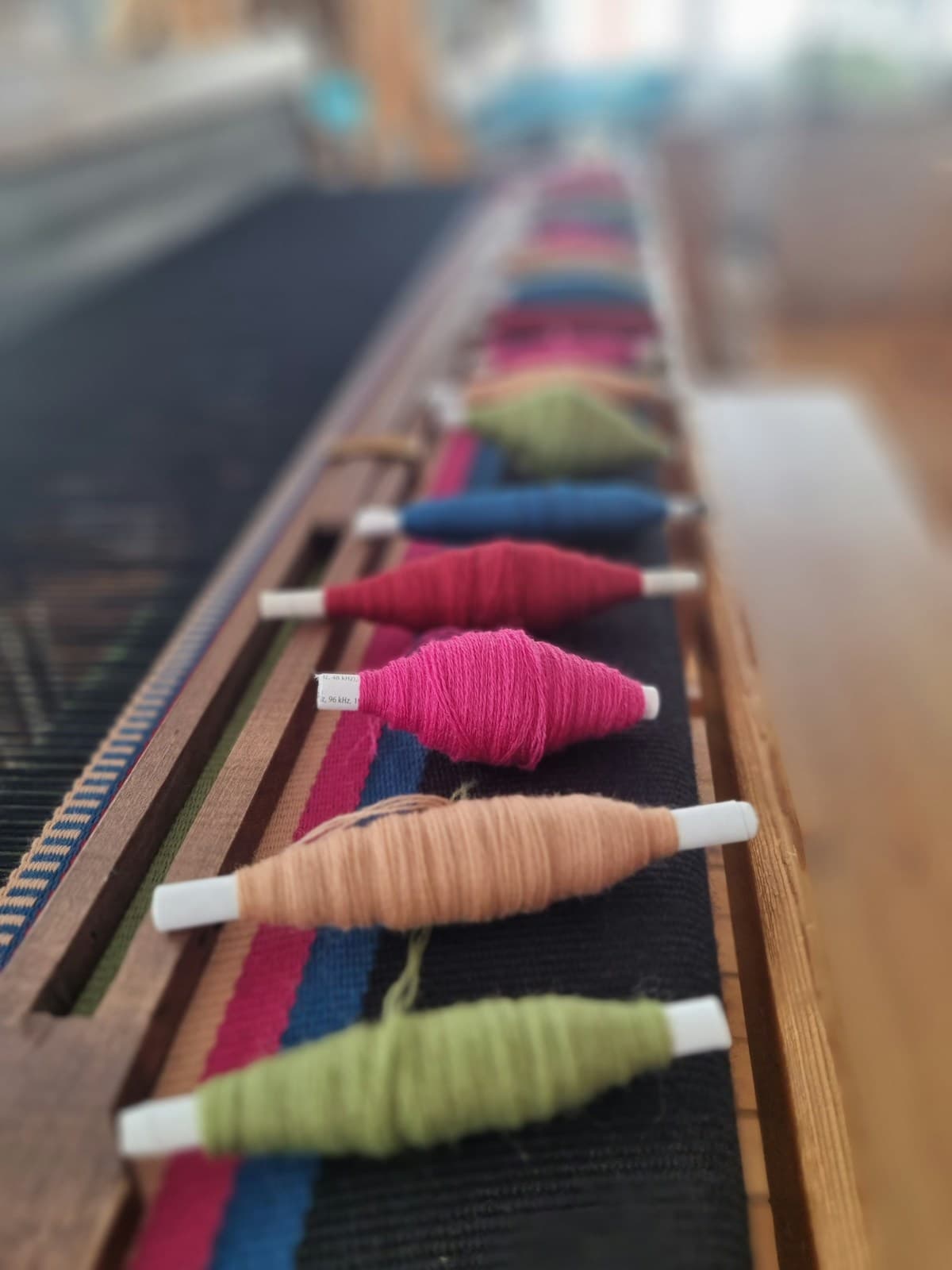
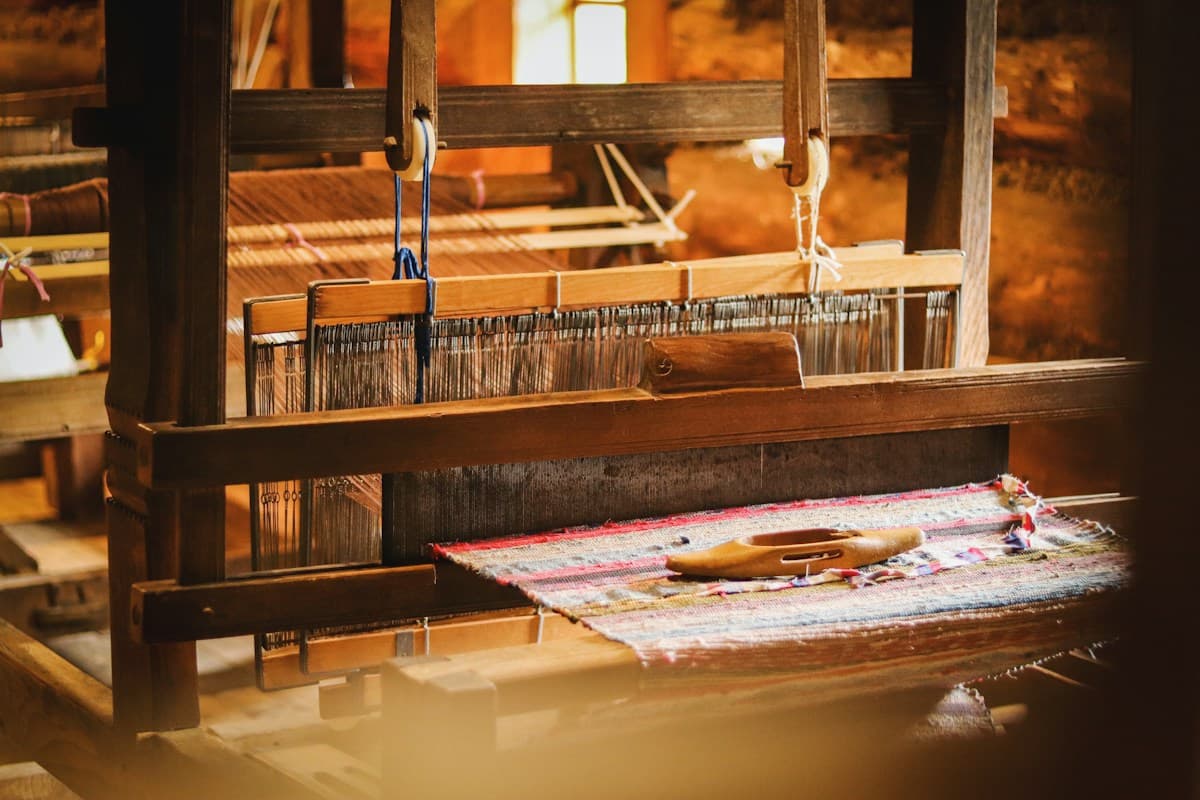
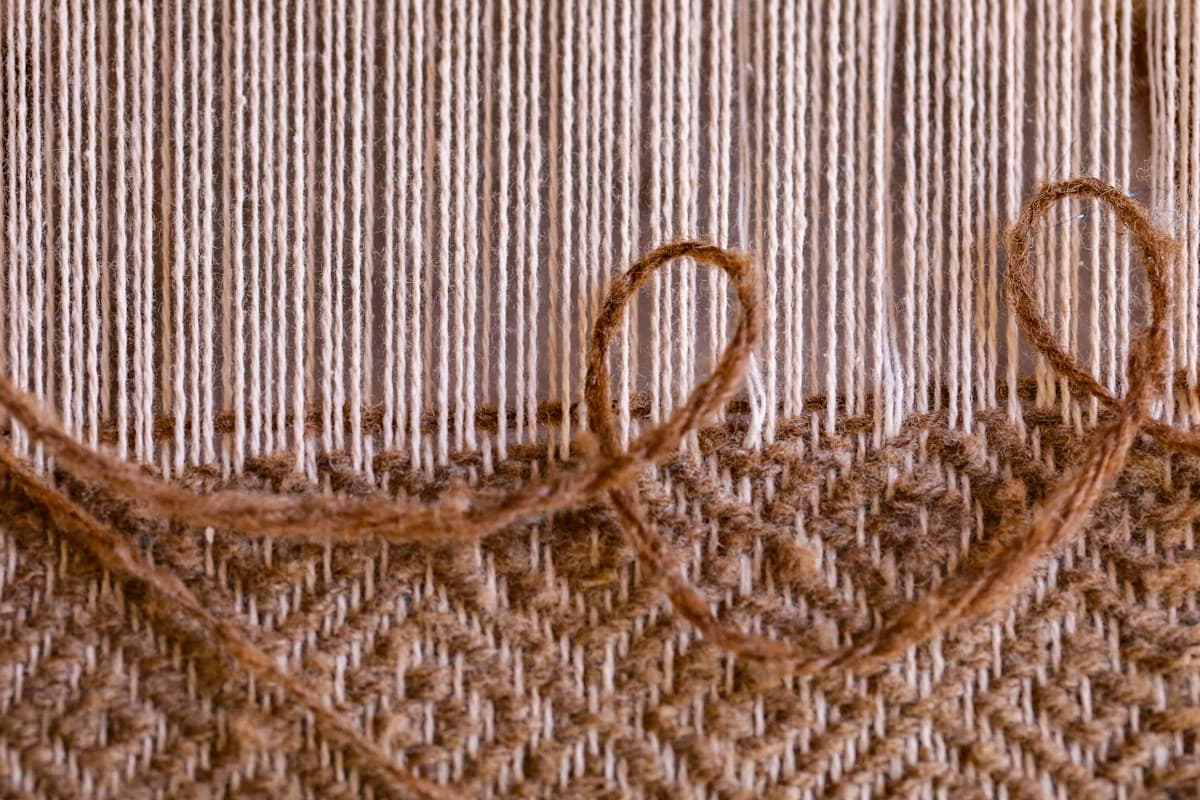
The wool comes off the Changthangi goat at 14,000 feet, and is separated by hand — the guard hair pulled out one strand at a time before anything reaches the loom. Ghulam weaves kani shawls on a handloom his father set up in 1968, using wooden tojis instead of a shuttle. A full kani shawl is two years of work. He has made eleven.
Jaidev Sharma
Jaidev Sharma
Dhokra Metal Casting · Bastar, Chhattisgarh
Dhokra is lost-wax casting, unchanged for four thousand years — a clay core, wound with wax threads drawn one at a time, packed in mud and fired until the wax runs out and the bronze runs in. The mould is broken to free the piece, so every Dhokra object is the only one of itself. Jaidev works with brass scrap collected from the Jagdalpur market.
Ramesh Chandra Prajapati
Blue Pottery · Jaipur, Rajasthan
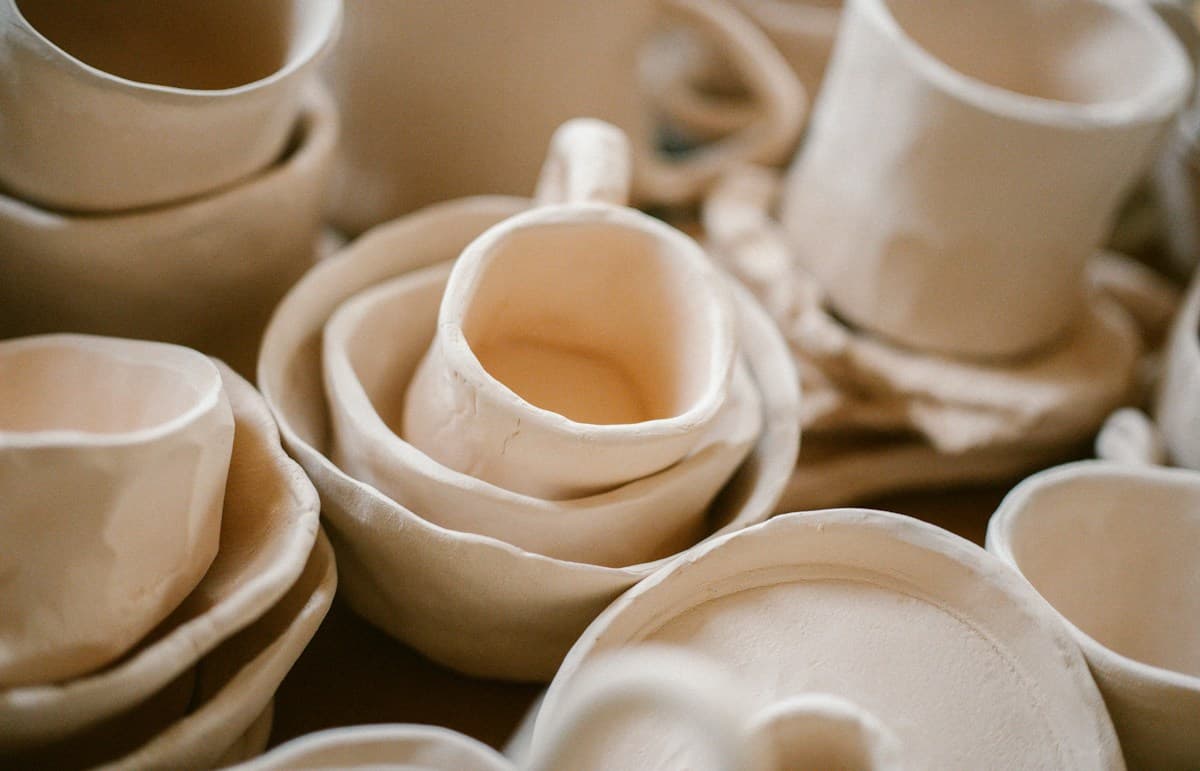
Blue pottery uses no clay at all — quartz powder, fuller's earth, borax and gum, fired low so the cobalt stays true. Ramesh is the fourth generation in his family to work it, and the only one left who still grinds his own oxide. He lost a whole kiln in 2019 when the glaze crazed, and rebuilt it by hand over a monsoon.
Sita Devi
Sita Devi
Madhubani Painting · Madhubani, Bihar
Sita learned Madhubani at six, sitting behind her grandmother on a mud floor in Jitwarpur. She paints in the kachni line style — fine hatching, no shading, the pigment ground from lampblack, turmeric and crushed marigold. A single wedding panel takes her three weeks, and she refuses to draw a fish without its whiskers, because her grandmother said a fish without whiskers cannot swim to the next life.